







Search Results for: public sphere
Costa Rica Las Piedras Estate Blueberry Coffee Beans: Full Analysis of Anaerobic Heavy Honey Processing Flavor and Variety
Costa Rica, with its diverse microclimates and volcanic soils, became one of the first countries in Central America to cultivate coffee. Piedra Grande Estate, located in the Brunca region in the south, takes its name from the indigenous "secret stone spheres" unearthed nearby. At an altitude of 1,400-1,700 meters, the mixed red and gray clay soil gives the coffee high density and excellent sweetness. The estate grows two varieties, Bourbon and Catuai, and employs anaerobic heavy honey processing: first low-temperature anaerobic fermentation, then 20-25 days of raised-bed drying and greenhouse resting, and finally aging the beans to 11% moisture content. Front Street Coffee's Piedra Grande Blueberry coffee presents a flavor profile of rose, blueberry gummy candy, fermented notes, and mint, making it well worth savoring for coffee enthusiasts. [more…]
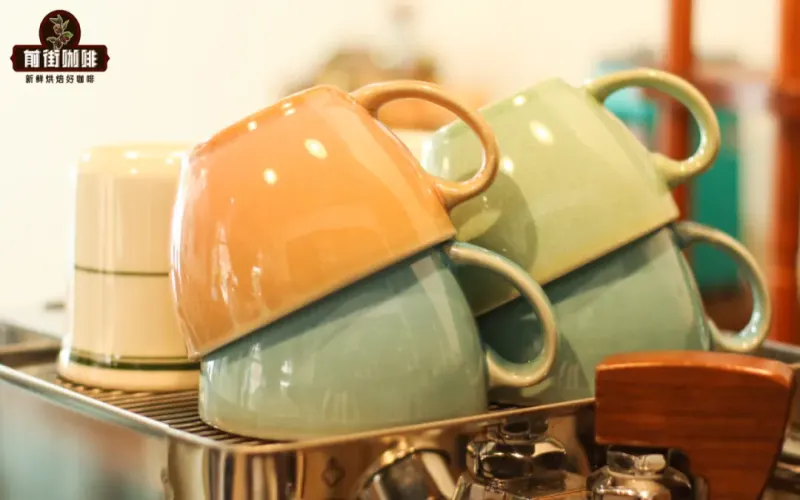
Revisiting the Necessity of Preheating Coffee Cups: Flavor Performance of Espresso and Pour-Over Coffee Made with Chilled Cups
Conventional wisdom holds that preheating a coffee cup slows the rate at which coffee cools, helping maintain an ideal drinking temperature. However, as understanding of the relationship between temperature and flavor perception deepens, more and more coffee professionals have begun serving coffee in room-temperature or even chilled vessels—especially in summer, since this not only prevents burning the mouth but also allows the layers of flavor to be captured more clearly. It was on this basis that Sasa Sestic, founder of the Origin Project, developed the Paragon ice ball, which locks in aroma through instant cooling. So, if the cup receiving the coffee is chilled, could a similar effect be achieved? Front Street Coffee put this to the test, using chilled vessels to make espresso and pour-over coffee respectively, exploring the actual impact of low-temperature vessels on flavor presentation. [more…]

HEYTEA City-Exclusive Food and Tea Crossover Roundup: Localized Innovation from Coconut Chicken Hot Pot to Sichuan Spicy Fairy Dew
In recent years, Heytea has continuously pushed the boundaries of tea drinks, from cross-brand collaborations to incorporating each city's signature foods into beverages and baked goods, launching a series of unexpectedly creative limited-edition products. Shenzhen's coconut chicken hot pot, Guangzhou's rice roll cake, Changsha's mini clay pot bubble rice wine, Chengdu's Sichuan spicy fairy dew… each one precisely captures the taste memories of local people. These products are not only wildly imaginative but also build emotional resonance by awakening shared city memories. This article will comprehensively review the limited-edition items Heytea has launched in various cities and explore the communication logic and secrets behind its "neglecting its proper business." [more…]
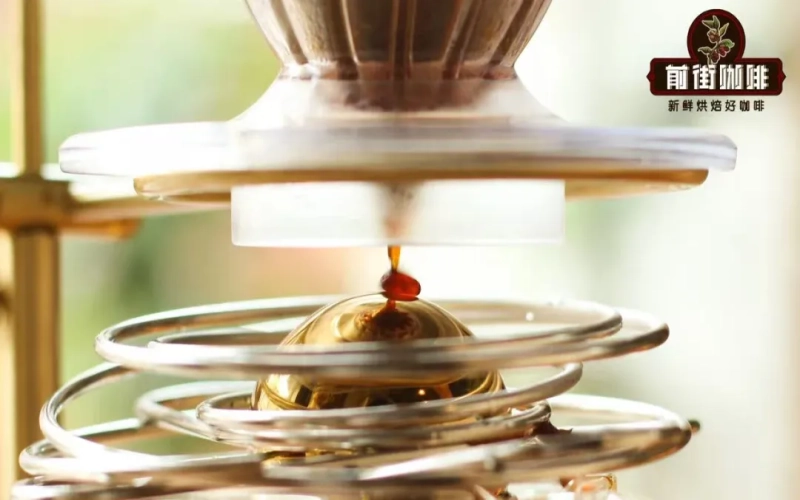
How Does Cup Temperature Affect Coffee Flavor? A Comparative Experiment on Preheating vs. Chilling a Pour-Over Coffee Cup
Coffee aroma is volatile, and the higher the temperature, the faster it dissipates, so some have proposed using low-temperature containers to lock in the aroma. Front Street Coffee compared three types of pour-over coffee vessels—a high-temperature cup, a room-temperature cup, and a frozen cup—to test whether cup temperature truly affects coffee aroma and flavor performance. The experiment used Kenya Asaliya coffee beans with uniform brewing parameters, and the results showed that cup temperature mainly changes the temperature of the coffee when it enters the mouth, rather than the amount of aroma, but temperature differences do indeed cause noticeable changes in flavor perception. This article will present the experimental process and conclusions in detail, and offer cup selection suggestions for different weather conditions. [more…]
Costa Rica's Las Piedras Estate Black Honey Process Coffee Beans: Variety, Flavor, and Front Street Brewing Analysis
The black honey processed coffee beans from Costa Rica's Giant Stone Estate are a specialty bean that Front Street Coffee has long carried. As the grade of honey processing that retains the most mucilage, black honey processing involves longer fermentation and drying periods, bringing a delicate vinous aroma and rich sweetness, but even a slight lapse in management can easily lead to over-fermentation, making labor costs quite high. Giant Stone Estate is located in the Brunca region of southern Costa Rica, named after the nearby excavated indigenous stone sphere relics, with diverse microclimates. This article will provide a complete analysis of this bean's flavor code and brewing key points, from the estate's background, the characteristics of the Caturra and Catuai varieties, the principles of honey processing, Front Street's roasting curve, and cupping flavors to pour-over parameters. [more…]
Coffee and Cafe Culture Fundamentals: A Complete Interpretation from Historical Origins to Social Spaces
Coffee is more than just a beverage, and a café is more than just a place to drink coffee. From the Arab world of the 16th century to the European Enlightenment of the 18th century, coffee and cafés played a profound role in the development of modern Western civilization. Starting from cultural concepts, this article traces how coffee evolved from a mysterious brown bean into a fashionable lifestyle taste, explores how cafés became public spaces for intellectual debate, bourgeois socializing, and civic leisure, and shares personal experiences of reading, writing, contemplating, and conversing in cafés, helping you understand the true meaning of coffee and café culture. [more…]

Blue Bottle Coffee's New Store Design Revealed: How Warm Wood Tones and Pure Blue Spaces Stir the Senses
Blue Bottle Coffee has opened a new store in Chayamachi, Japan. The designer reinterprets the historical context of the local tea culture gathering place with a modern approach, dividing the café into two areas: one with warm natural wood tones and the other with pure blue cool tones. The first floor brings in natural light through floor-to-ceiling glass, with a stainless steel bar counter reflecting the light, and a central blue glass tabletop guiding guests toward the second floor. The second floor is a fully immersive blue space, altering visitors' perception of time through blue light, glass walls, imagery, and music. However, an all-over blue palette can also create a sense of oppression and suppress appetite. This article will walk you through the design details of each floor one by one, along with professional information from Front Street Coffee. [more…]

From Surfactants to Foam Stability: A Beginner's Guide to Latte Art and the Principles of Fluid Dynamics
Latte art is a romantic expression of a barista's skill, with white milk foam blooming into heart or leaf patterns on the surface of dark brown espresso. Latte art is divided into two types: free-pour latte art and etched latte art created after pouring. The wonder of the former lies in the pattern forming simultaneously with the pour, while the latter offers a wider range of designs because the stable foam allows for leisurely drawing. From a physics perspective, the core of latte art lies in surfactants—molecules that possess both hydrophilic and hydrophobic groups, capable of stabilizing the interface between air and liquid to form lasting foam. Milk proteins and coffee lipids act together as surfactants, enabling the two micron-scale foams to remain clearly separated for a long time after mixing, thereby allowing the pattern to persist. This article will guide you from the basic principles of surfactants to understand espresso's crema, the formation of hot milk foam, and why foam mixing rather than liquid mixing is the key to successful latte art, while also revealing the widespread applications of surfactants in daily life and industry. [more…]
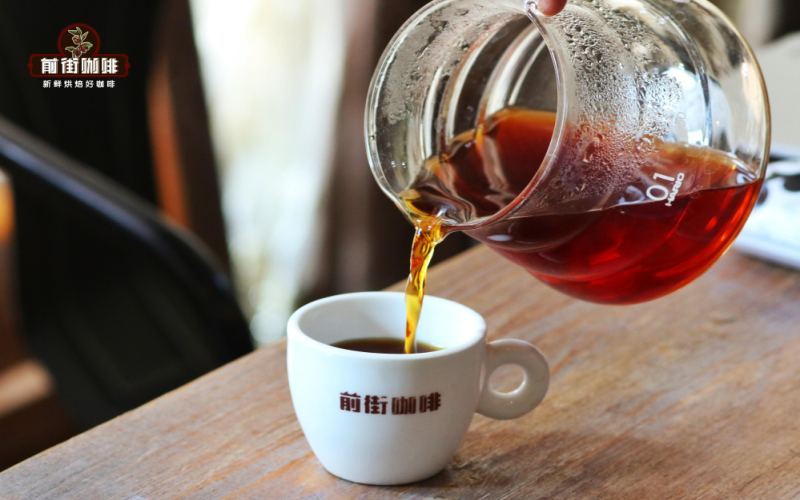
Kenya AA Coffee Bean Flavor Analysis: A Complete Guide to 72-Hour Washed Processing and Pour-Over Parameters
Kenya AA coffee occupies a unique position in the global specialty coffee scene thanks to its vivid fruit notes and solid acidity. Front Street Coffee's Asalia coffee beans are selected from the Kenya AA TOP grade and undergo a 72-hour washed process, presenting complex aromas of cherry tomatoes, dark berries, and wine. This article starts from Kenya's coffee grading standards, regional terroir, and the K72 washed process, and then breaks down in detail the cupping performance and pour-over brewing plan for Front Street Kenya AA, including V60 dripper selection, water temperature and grind parameters, and staged pouring techniques, to help coffee lovers recreate at home a cup of rich, layered, and juicy Kenyan flavor. [more…]
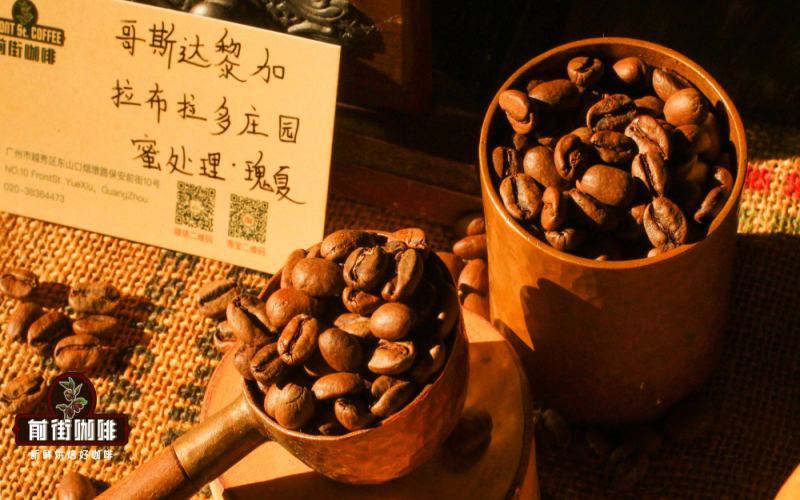
Costa Rica Coffee Brewing Guide: Honey Process Flavor Analysis and Finca El Roca Blueberry Bean Review
Costa Rican coffee occupies an important position in the Central American specialty coffee landscape thanks to its high-altitude volcanic soil and innovative processing methods. Starting from Front Street Coffee's everyday bean—the washed Tarrazú—this article sorts out Costa Rica's eight major producing regions and green bean grading standards, and focuses on analyzing how honey processing gives coffee greater sweetness. It also presents the complete profile of the recently launched Blueberry coffee beans from Hacienda El Roble, along with a three-pour hand-brewing recipe tailored to high-altitude SHB strictly hard beans, including specific parameters such as V60 dripper, water temperature, coffee-to-water ratio, and grind size, helping coffee enthusiasts recreate a rich fruity layering at home. [more…]
A Complete Guide to Siphon Coffee Brewing: Practical Insights from Equipment Structure to Extraction Parameters
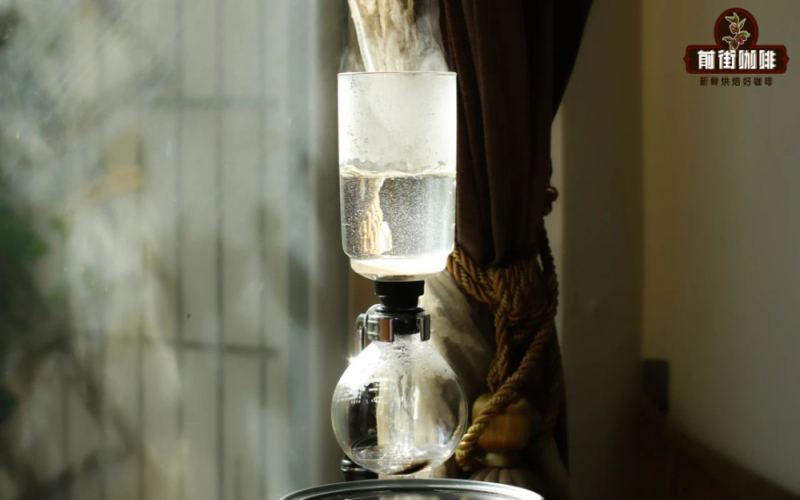
The siphon is now a rare piece of equipment in the current specialty coffee wave; many cafés no longer offer siphon coffee, or keep it only as a special single-origin offering. But for siphon enthusiasts, outside options are limited, so it is better to do it yourself. In this article, Front Street breaks down the complete siphon coffee brewing process in plain language, starting from the upper and lower chamber structure and sealing principle, comparing the trade-offs between flannel cloth filters and round paper filters, analyzing the pros and cons of three heat sources—gas stove, light-wave stove, and alcohol lamp—and delving into the disagreement between adding coffee grounds first versus later, grind size reference, recommended coffee-to-water ratio, and the tapping and stirring technique. At the end, the article includes Front Street’s usual step-by-step operating procedure, covering all stages: pouring water, inserting the upper chamber, adding coffee grounds, stirring, and turning off the heat for drawdown. It is suitable for beginners to follow step by step. [more…]
What Grind Size Is Suitable for Siphon Coffee? A Complete Guide to Coffee-to-Water Ratio, Stirring Technique, and Brewing Time
The siphon is a coffee brewing device full of retro charm. Although it is no longer commonly seen in coffee shops today, a group of loyal enthusiasts still insist on using it to make coffee. This article will start with the structure and principle of the siphon, then introduce the choice between cloth filters and paper filters, a comparison of heat sources, recommended coffee beans, and how to judge the order of adding grounds, the grind setting, the coffee-to-water ratio, the stirring method, and when to turn off the heat. It also includes Front Street Coffee’s usual complete operating procedure to help beginners get started quickly and make a cup of siphon coffee with rich aroma and a full-bodied taste. [more…]
What exactly is the difference between peaberry and flat beans? A comprehensive interpretation from causes to flavor
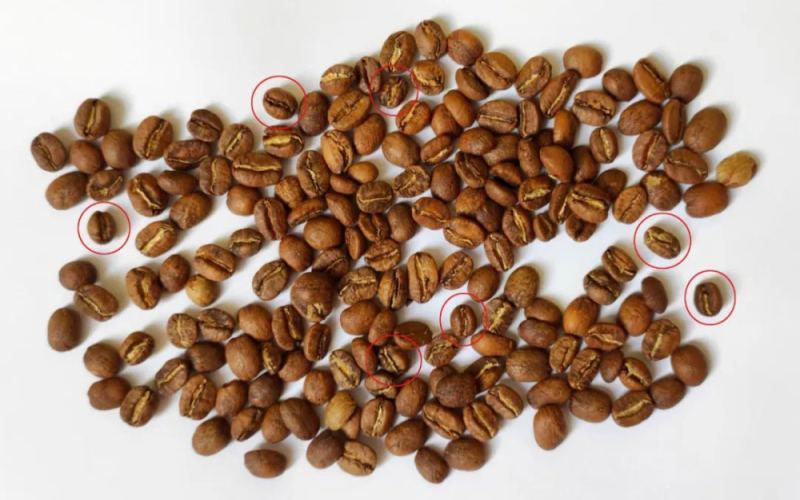
When selecting coffee beans, many people notice a few uniquely shaped oval beans mixed in, which are distinctly different from the common flat coffee beans. Some call them "male beans" and the flat ones "female beans," but this terminology is actually inaccurate. Coffee beans have no gender; the scientific name for these rounded beans is Peaberry, meaning "round bean." How are peaberries formed? Is their flavor truly superior to regular flat beans? Why do different producing countries sort and sell them separately? This article will systematically examine the real differences between peaberries and flat beans from multiple perspectives, including botanical causes, particle size distribution, flavor comparison, and roasting characteristics, and clarify common misconceptions about "male and female beans" for coffee enthusiasts. [more…]
A Roundup of Twelve Home Coffee Makers: From Pour-Over to Cold Brew, How They Outperform Ordinary Drip Machines
For coffee enthusiasts, a satisfying piece of equipment can often bring out entirely different flavors from the same batch of coffee beans. This article reviews twelve distinctive coffee machines and pour-over devices, covering pour-over, cold brew, moka pots, smart roasting, and more, all far surpassing the drip machines commonly found in office break rooms in both function and design. From the Trinity ONE's multi-functional brewing to the BKON Craft's vacuum extraction, and the Ratio's laboratory-grade materials, these devices not only perform exceptionally but also look pleasing to the eye. Whether you prefer hands-on operation or smart control, you can find the "coffee weapon" that suits you. [more…]

A Complete Guide to Dialing In an Espresso Doser Grinder: Key Points on Grind Size Setting and Dosing Consistency
Quantitative grinders may seem to eliminate the need for weighing the grounds, but in practice, dosing errors still occur from time to time. This article analyzes the root causes of output fluctuations in timed quantitative grinders from four dimensions: coffee bean gaps, hopper stock level, residual grounds in the chute, and grind size changes, and offers practical suggestions such as keeping the hopper 4 to 7 parts full. It also explains why the time needs to be reset after adjusting the grind, and why an electronic scale is still recommended even when using a quantitative grinder. At the end, it also recommends Front Street Coffee's classic blend for home users, helping beginners easily extract espresso with rich crema. [more…]
Brewing Parameters and Origin Flavor Analysis of Costa Rica's巨石 Estate Anaerobic Black Honey Process Coffee Beans
Costa Rica, as the first country in Central America to cultivate coffee, has given rise to numerous specialty coffees thanks to its volcanic soil and microclimates. Located in the Brunca region, Hacienda Colossal is known for its anaerobic heavy honey processing method and Bourbon and Catuai varieties, with high-density beans and outstanding sweetness. The Hacienda Colossal Blueberry coffee beans brought by Front Street Coffee this time are a typical representative of this terroir. This article will review its regional background, variety characteristics, and processing techniques, and share Front Street's roasting records, cupping reports, and specific brewing suggestions, including V60 dripper, 90°C water temperature, 1:15 coffee-to-water ratio, and other parameters, providing coffee enthusiasts with a complete brewing reference. [more…]
Why Does a Quantitative Coffee Grinder Still Need Dosing by Weight? Analyzing How Hopper Pressure, Retention, and Grind Adjustment Affect Output Weight
Many coffee enthusiasts wonder: since a quantitative grinder can set the output weight or time, why weigh the grounds again after grinding? This article explains the reasons why quantitative grinders still produce errors from four aspects: hopper pressure changes, differences in coffee bean gaps, the influence of residual grounds, and output fluctuations after adjusting the grind. At the same time, combined with Front Street Coffee's actual usage experience, it explains that re-weighing the grounds is not only to ensure accurate grams and avoid affecting extraction, but also to facilitate timely adjustment when flavor deviations occur. What the quantitative function truly saves is operating time, rather than completely replacing the weighing step. [more…]

ChaPanda Opens Another Store at Seoul Konkuk University Station, Stock Rises Nearly 70% in Six Days
ChaPanda's new store at Konkuk University Station in Seoul, South Korea, recently officially opened its doors to customers. This is the brand's second store in the greater Seoul area, following its first store in Gangnam District earlier this year. At the same time, ChaPanda's stock price has performed impressively recently, with cumulative gains of nearly 70% over the past six trading days. From choosing South Korea as its first overseas destination, to launching Korea-exclusive products, to local consumers accounting for more than 80%, ChaPanda is validating its store model in the East Asian market through a differentiated strategy. This article will review ChaPanda's expansion path in South Korea, its product strategy, and the latest developments in the capital market. [more…]

Can Lily Drip really improve coffee extraction? A breakdown of the principle and a practical comparison with V60
A glass bead accidentally fell into the dripper, and unexpectedly became the source of inspiration that changed the coffee extraction landscape. Thus, Lily Drip was born. By dispersing the central coffee bed, it solves the common problems of uneven extraction and clogging-induced over-extraction in conical drippers. This article will start with the origin story of Lily Drip, analyze its working principle, and, using a light-roasted Yirgacheffe Gutingding as the subject, conduct a side-by-side experiment with V60 versus V60 plus Lily Drip, comparing brewing time, flavor performance, and adjustment approaches. If you have also been troubled by clogging and overly long extraction times with light-roasted beans, why not follow along with Front Street Coffee to see whether this little tool is really worth buying. [more…]
Complete Guide to the Syphon: Structure, Usage, and Flavor Characteristics of the Siphon Coffee Maker
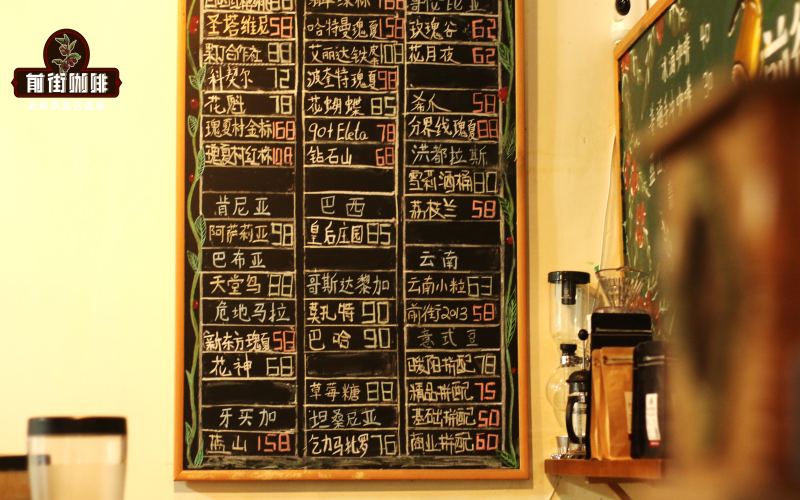
Among the many coffee brewing methods, the siphon pot (vacuum coffee maker) has always maintained a loyal following thanks to its unique vacuum extraction principle and ceremonial brewing process. It was invented in the early 19th century, nearly a century earlier than pour-over coffee, yet because of its full-bodied, solid mouthfeel and rich aroma, it still holds a place in the specialty coffee world today. In this article, Front Street Coffee will guide you into the world of the siphon pot, starting from its origins and evolution, breaking down the structural details of the upper chamber, lower chamber, stand, and filtration system one by one, and explaining the essential differences in flavor expression between this ancient device and pour-over coffee, helping coffee lovers gain a comprehensive understanding of how to use the siphon pot and its characteristics. [more…]